
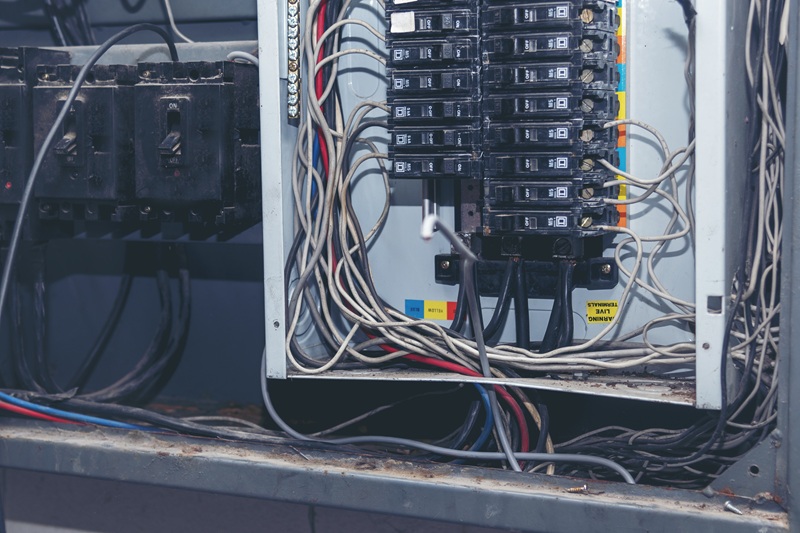
If your circuit breaker keeps tripping, it is your home’s way of telling you something is not right. While it can be frustrating to deal with, a tripping breaker is actually a safety feature designed to prevent overheating, electrical fires, and damage to your system.
The real question is not just why it is happening, but whether it is something simple you can fix or a sign of a bigger electrical issue.
In this guide, we will break down the most common causes of a tripping circuit breaker, what you can safely check yourself, and when it is time to call a professional electrician in the Lehigh Valley.
What Does It Mean When a Breaker Trips?
Your circuit breaker is designed to shut off power when a circuit becomes overloaded or unsafe. Instead of allowing wires to overheat, the breaker cuts power instantly to protect your home.
If your breaker trips occasionally, it may not be a major concern. However, frequent or repeated tripping is a warning sign that should not be ignored.
If you are dealing with ongoing electrical issues, it may be time to schedule professional electrical repair services in the Lehigh Valley to identify the root cause.
Common Reasons Your Circuit Breaker Keeps Tripping
There are several possible reasons your breaker is shutting off power. Some are simple to address, while others require professional attention.
1. Circuit Overload
This is the most common cause. A circuit overload happens when too many devices are drawing power from the same circuit at the same time.
For example, running a microwave, toaster, and coffee maker on the same kitchen circuit can easily exceed its capacity.
What You Can Do
- Unplug some devices from the circuit
- Spread appliances across different outlets
- Avoid using high-power devices simultaneously
If overloads happen frequently, your home may need additional circuits or an upgrade to your electrical panel system.
2. Short Circuit
A short circuit occurs when a hot wire comes into contact with a neutral wire. This causes a sudden surge of electricity, forcing the breaker to trip immediately.
Short circuits are more serious than simple overloads and can create heat and potential fire risks.
Signs of a Short Circuit
- Burning smell near outlets or the panel
- Scorch marks on outlets or switches
- Breaker trips instantly after resetting
If you suspect a short circuit, stop using the affected area and contact a professional electrician right away.
3. Ground Fault
A ground fault is similar to a short circuit but involves electricity flowing outside the intended path, often into the ground.
These are especially common in areas with moisture, such as kitchens, bathrooms, and outdoor outlets.
Modern homes use GFCI outlets to protect against this risk, which is why upgrading outdated outlets through professional outlet installation and repair can improve safety.
4. Faulty Appliances
Sometimes the issue is not your electrical system at all. A malfunctioning appliance can draw too much power or create internal faults that trip the breaker.
How to Check
- Unplug all devices on the circuit
- Reset the breaker
- Plug devices back in one at a time
If the breaker trips when a specific appliance is plugged in, that device is likely the problem.
5. Aging or Damaged Electrical Panels
Older electrical panels can become unreliable over time. Components wear out, connections loosen, and breakers may trip more often than they should.
If your home has an older system, it may be time to consider upgrading your electrical panel to improve safety and reliability.
6. Loose Wiring
Loose connections can cause intermittent power issues and overheating, which may trigger the breaker.
This is not something you should attempt to fix on your own. Loose wiring requires professional inspection and repair.
When a Tripping Breaker Is a Serious Problem
Some situations go beyond inconvenience and signal a more serious issue.
You should call an electrician immediately if you notice:
- Burning smells or smoke
- Warm or hot outlets
- Buzzing sounds from the panel
- Breakers that will not reset
- Frequent tripping with no clear cause
These signs may indicate deeper electrical problems that require prompt attention from a qualified provider of residential electrical services in the Lehigh Valley.
Is Your Electrical Panel the Problem?
If your breaker trips regularly, your panel may not be able to handle your home’s electrical demand.
Homes built years ago were not designed for today’s power usage. Between smart devices, entertainment systems, and large appliances, demand has increased significantly.
Upgrading your system with modern code-compliant electrical upgrades can help eliminate recurring issues and improve overall safety.
How to Prevent Circuit Breaker Issues
While not every issue can be avoided, there are steps you can take to reduce the risk of tripping breakers.
- Avoid overloading outlets and circuits
- Replace damaged cords and devices
- Upgrade outdated electrical panels
- Install dedicated circuits for high-demand appliances
- Schedule regular electrical inspections
Preventative maintenance goes a long way in avoiding unexpected electrical problems.
DIY vs Professional Electrical Repairs
It can be tempting to try to fix electrical issues yourself, but this is one area where caution matters.
Simple steps like unplugging devices or resetting a breaker are safe. However, anything involving wiring, panels, or electrical components should be handled by a licensed electrician.
Attempting repairs without the proper training can lead to injury, damage, or code violations.
Final Thoughts: Do Not Ignore a Tripping Breaker
A circuit breaker that keeps tripping is not something to ignore. While it may seem like a minor inconvenience, it is often a sign that your electrical system needs attention.
Whether the issue is a simple overload or a more complex problem, identifying the cause early can help prevent bigger and more expensive issues down the line.
If you are dealing with frequent breaker trips, scheduling a professional evaluation is the best way to protect your home and restore reliable power.
Frequently Asked Questions
Is it normal for a breaker to trip occasionally?
Yes, occasional tripping can happen if a circuit is overloaded. Frequent tripping, however, should be evaluated by an electrician.
Can I keep resetting a breaker if it trips?
You can reset it once or twice, but repeated tripping indicates a problem that needs to be addressed.
What is the difference between a short circuit and an overload?
An overload happens when too many devices draw power. A short circuit is caused by faulty wiring and is more dangerous.
Do I need to replace my breaker if it keeps tripping?
Not always. The breaker may be doing its job correctly. A professional can determine whether the breaker or another issue is the cause.
Can a bad outlet cause a breaker to trip?
Yes, damaged or faulty outlets can lead to electrical issues that trigger a breaker.
How much does it cost to fix a tripping breaker?
Costs vary depending on the cause, ranging from simple repairs to more involved electrical work.
When should I call an electrician?
You should call an electrician if the breaker trips frequently, will not reset, or if you notice signs like burning smells or heat.