
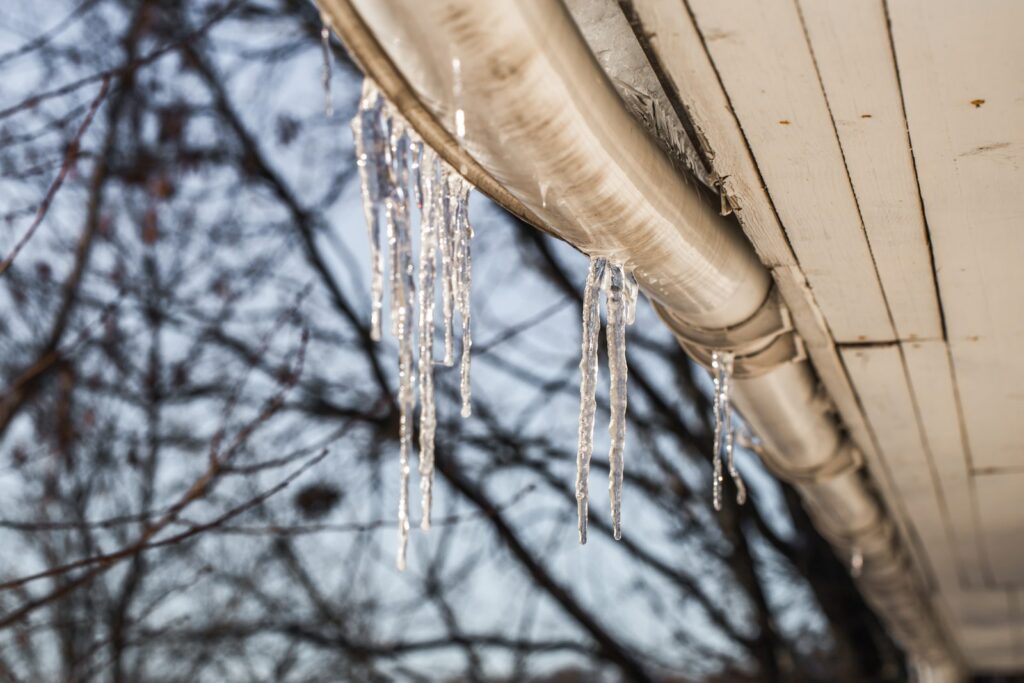
Every winter in the Lehigh Valley, the same scene plays out. A few days of snow, a quick thaw, a hard freeze, and suddenly there is a fat ridge of ice along the edge of the roof and a row of icicles hanging over the front door. It looks kind of pretty until the ice starts working its way under shingles, ripping gutters off the fascia, or dropping onto the walkway where your family walks every day.
Heat trace, sometimes called heat cable or heat tape, is one of the more practical electrical upgrades a homeowner can add before the cold sets in. It is not flashy, and most people do not think about it until the damage is done. But if your home has a history of ice dams, frozen downspouts, or gutters that overflow in January, it is worth understanding what heat trace does, what it cannot do, and what a safe installation looks like.
This guide walks through how heat trace works, where it makes sense around a home, what to expect from the electrical side of the job, and how to tell whether it is the right fix for your situation. As a locally operated electrical company serving Lehigh Valley homeowners since 2008, we have seen plenty of homes where a small cable and the right wiring would have saved a lot of frustration.
What heat trace actually is
Heat trace is an electric heating cable that runs along a surface and gives off a low, steady amount of warmth. On a home, it is most commonly installed in gutters, downspouts, and along the lower edge of a roof, and sometimes on exposed pipes or conduit that run through cold areas.
Most modern residential cable is self-regulating. That means the cable adjusts how much heat it gives off based on the temperature around it. In colder spots it puts out more warmth, and in warmer spots it backs off. This makes it more energy efficient than older constant-wattage cable and lowers the risk of overheating where the cable overlaps or touches itself.
The goal is not to melt every flake of snow off your roof. The goal is to keep a small channel open so melting snow has a path to drain instead of refreezing in the gutter and backing up. Think of it as keeping a drain open, not keeping a roof warm.
Why ice dams and frozen gutters become such a problem
To understand where heat trace helps, it helps to know how ice dams form. Heat escapes from the living space into the attic and warms the roof surface. Snow on the warm part of the roof melts, and the water runs down toward the colder edge, the eaves. There, over the unheated overhang, it refreezes. Over days, that frozen edge grows into a dam. More meltwater pools behind it, and with nowhere to go, it can work its way up and under shingles and into the home.
Frozen gutters and downspouts make this worse. When a downspout is packed with ice, water has no exit. It spills over the gutter edge, freezes into hanging icicles, or pools against the foundation. The weight of ice can pull gutters away from the house, and that heavy ice can come down without warning.
Lehigh Valley winters are well suited to this cycle. We get plenty of days that bounce above and below freezing, and that freeze and thaw pattern is exactly what builds ice at roof edges.
Where heat trace makes sense around the house
Not every home needs it in every location. Here are the spots where we most often see it earn its keep.
Gutters and downspouts
This is the classic use. Cable is laid inside the gutter and run down the length of the downspout so meltwater can drain all the way to the ground. Downspouts matter just as much as gutters, because a downspout that freezes shut will back water up no matter how clear the gutter is.
The roof edge
On homes with a recurring ice dam problem, cable can be installed in a zigzag pattern along the lower edge of the roof. This creates drainage channels through the ice so water can reach the gutter instead of backing up under the shingles. This approach is common on roofs with valleys, dormers, or low sections where ice tends to build.
Problem spots like valleys and above entryways
Some homes have one trouble area, such as the roof above the front door or a valley where two slopes meet. Targeted cable can protect those areas without covering the whole house.
Exposed conduit and outdoor lines
In some cases, heat trace is used on exposed conduit or on outdoor lines that run through cold, unheated areas. These installations depend on the specific situation, so they are worth discussing with an electrician on site.
What heat trace cannot do
Heat trace is helpful, but it is not magic, and we would rather be upfront about that.
It does not fix the underlying cause of ice dams. If warm air is leaking from your living space into the attic, or if attic insulation and ventilation are lacking, the roof will keep warming unevenly. Heat trace manages the symptom by keeping drainage paths open. A roofer or insulation specialist can address the cause, and the two fixes often work best together.
It also will not clear a roof covered in deep snow or remove an ice dam that has already formed. Cable works best when it is installed before the heavy ice builds, and when it is turned on early enough to keep channels open. If you already have a serious ice dam, safe removal is a job for professionals, and water getting into the house is a good reason to call a roofer right away.
And it only works if it is installed correctly and powered safely, which brings us to the electrical side.
The electrical side of a heat trace installation
This is where an electrician comes in, and it is why this is not a great weekend project for most homeowners. Cable that lives outdoors, in water, and in freezing weather needs to be wired with care.
Power and circuits
Heat trace needs a dedicated, properly sized power source. The cable length and its power draw determine what kind of circuit is needed. Plugging a long run of cable into an overloaded outlet or a daisy chain of extension cords is a common cause of tripped breakers and, in worst cases, overheating. If you notice your breaker tripping often, our page on circuit breaker repair and common causes can help you understand what is going on.
GFCI protection
Anything that sits outdoors in wet conditions should be protected by a ground fault circuit interrupter, or GFCI. A GFCI shuts off power quickly if it detects current leaking where it should not. For heat cable running through gutters full of melting snow, that protection is not optional. It is a basic safety layer, and it is part of what modern electrical code expects for outdoor circuits.
Controls and sensors
You do not want cable running all winter long on a sunny 50 degree day. Many systems use a thermostat, a moisture sensor, or a combination of both so the cable only turns on when temperatures are near freezing and moisture is present. That saves energy and extends the life of the cable. A switch or controller placed somewhere convenient also lets you shut the system off at the end of the season.
Connections and weatherproofing
Cable ends, splices, and power connection points must be sealed with the right kits and fittings. Water getting into a connection is the number one reason heat trace fails early, and it is a safety concern as well. Anyone installing a system should follow the cable manufacturer’s instructions closely and local code requirements.
Code and inspection
Outdoor electrical work comes with code requirements for wiring methods, protection, and outlets. If you are curious how codes shape home projects, our page on code compliance and upgrades is a good place to start. A qualified electrician will know what applies to your municipality and your home.
Signs your home might benefit from heat trace
A few patterns show up again and again in homes that get value from heat cable.
You see large icicles or ice buildup along the same part of the roof every winter. Your gutters overflow or sag in cold weather. A downspout freezes solid and water pours onto the walkway or driveway. You have had water stains on ceilings or walls near exterior walls after a thaw. You have a north-facing roof slope that stays shaded and cold. Or your home has a low-slope section or a roof valley that collects snow and ice.
If a few of these sound familiar, a short conversation with an electrician can tell you whether cable would help and where it should go.
Planning ahead: why fall is the right time
The best time to install heat trace is before the first serious storm. Once the roof is covered in snow and ice, installation gets harder, and sometimes it simply cannot be done safely. Installing in fall gives your electrician time to inspect the gutters and downspouts, plan the circuit, and test the system before you need it.
It is also a good moment to look at the rest of your outdoor electrical. Exterior outlets that do not have working weatherproof covers, older GFCI outlets that no longer trip when tested, and aging outdoor fixtures can all become problems in winter weather. Our outlet installation and repair and outdoor lighting teams can look those over while they are at the house.
If you lose power often in storms, ask about protecting your home from surges when power returns. A whole house surge protector can help guard the electronics and appliances in your home. And if your panel is crowded or older, adding a new circuit for heat cable may be a good time to talk about whether your electrical panel has room for it.
Simple winter checks you can do yourself
Even if you do not add heat trace, a few quick checks make a big difference. Clear leaves and debris from gutters in late fall so water has a clear path. Look at your downspouts to be sure they direct water away from the foundation. Test your outdoor GFCI outlets using the test and reset buttons. Look for damaged or exposed wires on outdoor fixtures. Take note of any area where ice builds up so you can point it out later.
Stay off ladders in icy conditions, and do not attempt to chip ice off a roof or gutters. Falls and roof damage are far more expensive than any ice dam.
Frequently asked questions
Does heat trace melt all the snow and ice off my roof?
No. Heat trace is designed to keep drainage channels open, not to clear an entire roof. It gives meltwater a path to drain so ice does not build up and back water under shingles.
Can I leave heat trace on all winter?
Many systems are designed to run only when needed, using a thermostat or moisture sensor that turns the cable on near freezing temperatures when moisture is present. This saves energy and protects the cable. A controller or switch also lets you turn the system off at the end of the season.
Is heat trace safe for gutters and downspouts?
When the right cable is installed correctly, on a GFCI protected circuit, with sealed connections, it is a widely used solution. Poor installation, overlapping cable that is not designed for it, or damaged connections can create risks, so a qualified electrician should handle the installation.
Will heat trace fix my ice dam problem permanently?
It helps manage the symptoms by keeping water draining, but it does not fix the cause. Air leaks, poor attic insulation, and weak ventilation often drive ice dams, so addressing those issues alongside heat trace usually gives the best results.
If ice and frozen gutters have been a headache at your house, the team at Kelley Electric is happy to take a look and talk through options. Learn more about our heat trace for gutters and conduit service, or call (610) 395-2144 to schedule service before the next freeze.